

 By
By Introduction
Automatic temperature scanners have rapidly grown in popularity and importance. These devices transform how organizations and public spaces ensure the wellness of their populations. By offering a quick, hands-free way to monitor individuals’ temperatures, they provide an essential tool for mitigating the spread of illness and ensuring public safety.
The impact of this technology is evident across various sectors. From schools to businesses, and even public infrastructure, the integration of automatic temperature scanners signifies a significant leap toward more secure and health-conscious environments.
Understanding Automatic Temperature Scanners
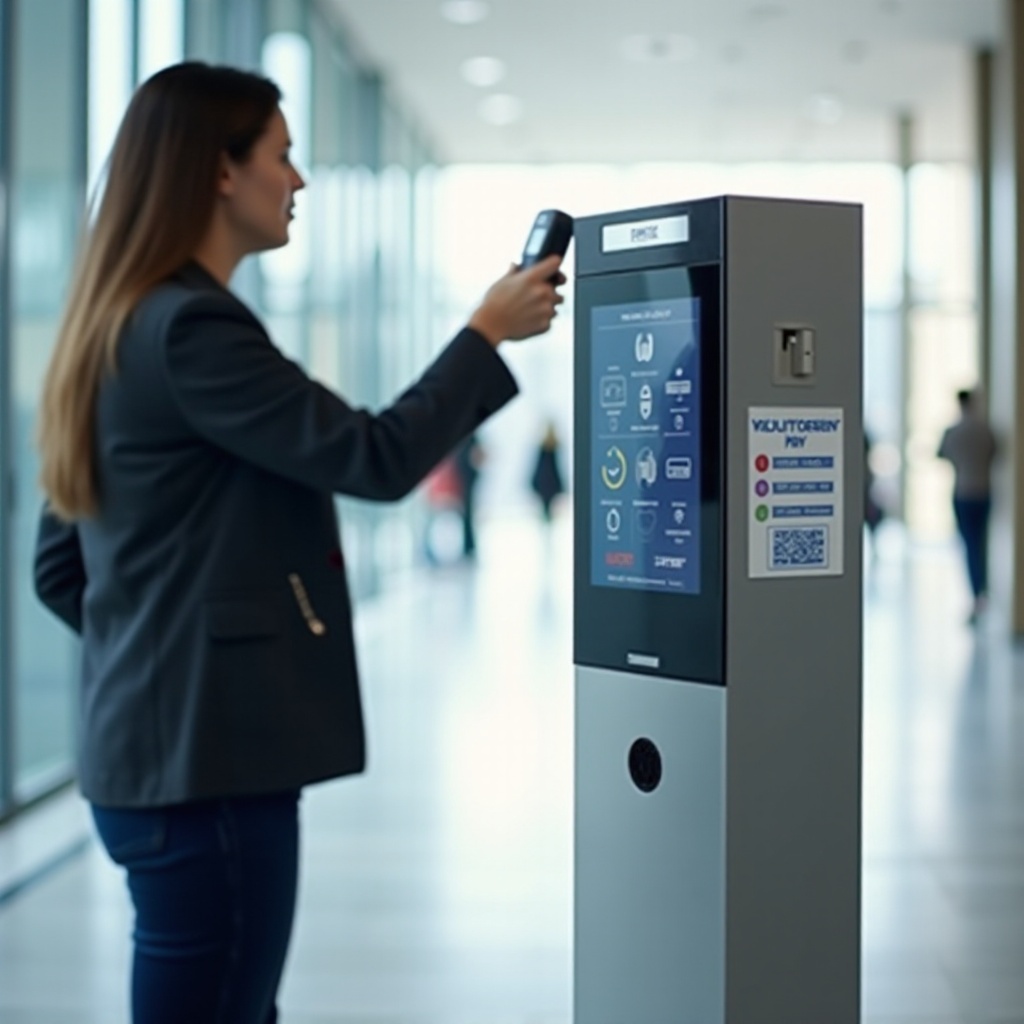
Automatic temperature scanners are sophisticated devices designed to measure and record the temperature of individuals quickly and accurately. Typically employing infrared sensors, these devices scan for fever symptoms, which can be an early indicator of infection.
These scanners are usually placed at entrances of buildings or within high-traffic areas. Their touchless operation ensures minimal physical contact, reducing the risk of contamination. Users simply need to stand in front of the device for a brief period, and the scanner will instantaneously capture their temperature data.
The technology behind automatic temperature scanners contributes to their effectiveness and reliability. They use advanced algorithms to detect and isolate temperature readings, reducing the likelihood of errors and ensuring high precision.
Benefits and Applications
Enhancing Health and Safety in Public Spaces
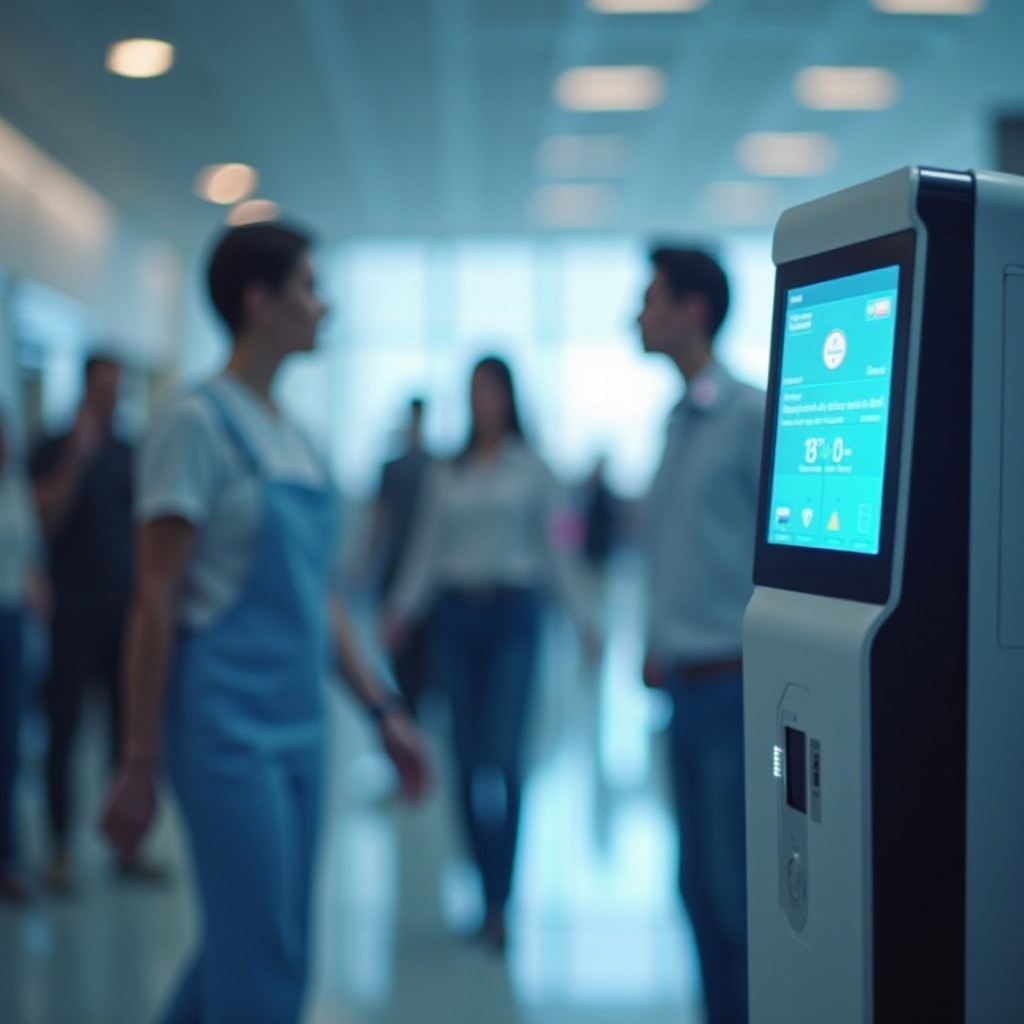
Public spaces such as airports, malls, and hospitals see a high volume of people daily. Automatic temperature scanners help manage these crowds by providing a quick and efficient method to screen for fevers. This proactive approach can identify potential health risks before they become significant issues, ensuring that public areas remain as safe as possible for everybody.
Applications in Businesses and Workplaces
Many businesses and workplaces have integrated these scanners to maintain a healthy working environment. By screening employees and visitors upon entry, companies can uphold strict health guidelines and reduce the likelihood of illness outbreaks that could disrupt operations. This preventive measure reassures employees, promoting a sense of well-being and security.
Role in Schools and Educational Institutions
Schools and educational institutions have adopted automatic temperature scanners to maintain a safe learning environment. By screening students, staff, and visitors, educational institutions can quickly identify individuals who may be unwell and take appropriate action. This is crucial for limiting the spread of contagious diseases and ensuring uninterrupted learning.
Key Features and Technologies to Look For
Accuracy and Precision in Temperature Measurement
When choosing an automatic temperature scanner, accuracy is paramount. High-quality devices use infrared sensors and calibrated algorithms to ensure that temperature readings are precise. Look for scanners that boast a minimal margin of error, typically within 0.5 degrees Celsius or better.
Speed and Efficiency in Scanning
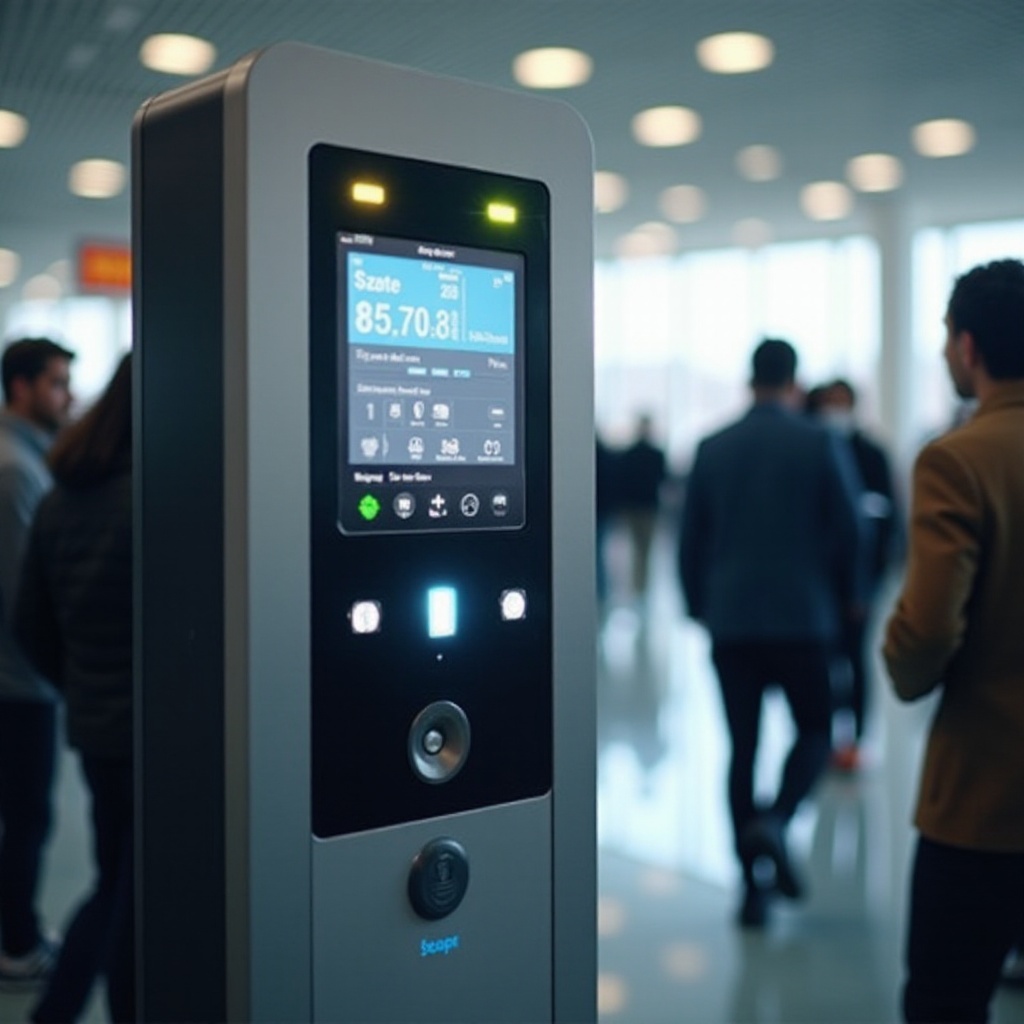
Speed is another essential feature. The best scanners provide instant temperature readings, minimizing delays and preventing bottlenecks, especially in high-traffic areas. Efficient devices can process numerous individuals in quick succession, making them ideal for busy environments.
Integration with Other Security Systems
Modern temperature scanners often offer integration capabilities with other security systems, such as access control and identification. This holistic approach not only enhances health security but also fortifies overall safety protocols within an organization.
Challenges and Considerations
Privacy and Data Security Concerns
While implementing these devices, organizations must consider privacy and data security. It’s essential to ensure that temperature data is handled with the utmost care, complying with relevant privacy laws and regulations. Clear communication with stakeholders about data usage and storage practices is crucial to maintaining trust.
Handling High Traffic and Crowds
Managing high traffic and crowds can be challenging. While automatic temperature scanners are designed for efficiency, having additional staff to guide individuals and address any issues promptly is vital. Proper planning and placement of scanners can help facilitate smoother operations.
Technical and Maintenance Aspects
Like any technology, automatic temperature scanners require regular maintenance. Ensuring that devices are correctly calibrated and functioning is paramount to their effectiveness. Having a service plan that includes regular checks, software updates, and user training will keep the scanners running optimally.
Conclusion
Automatic temperature scanners are playing a transformative role in enhancing health security across various sectors. Their ability to quickly and accurately screen individuals for elevated temperatures makes them invaluable in today’s health-conscious landscape. By understanding their benefits, features, and the challenges involved, organizations can implement these devices effectively and responsibly.
Frequently Asked Questions
How accurate are automatic temperature scanners?
Automatic temperature scanners are generally accurate within a margin of 0.5 degrees Celsius, thanks to advanced infrared sensors and precision algorithms.
Can automatic temperature scanners be integrated with existing security systems?
Yes, many modern temperature scanners offer integration capabilities with existing security and access control systems to provide a comprehensive safety solution.
What are the maintenance requirements for automatic temperature scanners?
Regular maintenance includes calibration checks, software updates, and periodic servicing to ensure the scanners remain accurate and efficient over time.