

 By
Introduction
Pregnant women often have concerns about the safety of security scanners found in airports and other public places. Understanding the potential risks and how these devices operate can help in making an informed decision. This guide delves into the different types of security scanners, their technologies, and the potential impacts on pregnancy. Scientific evidence, expert opinions, and practical tips are also covered to provide a thorough understanding of the subject.
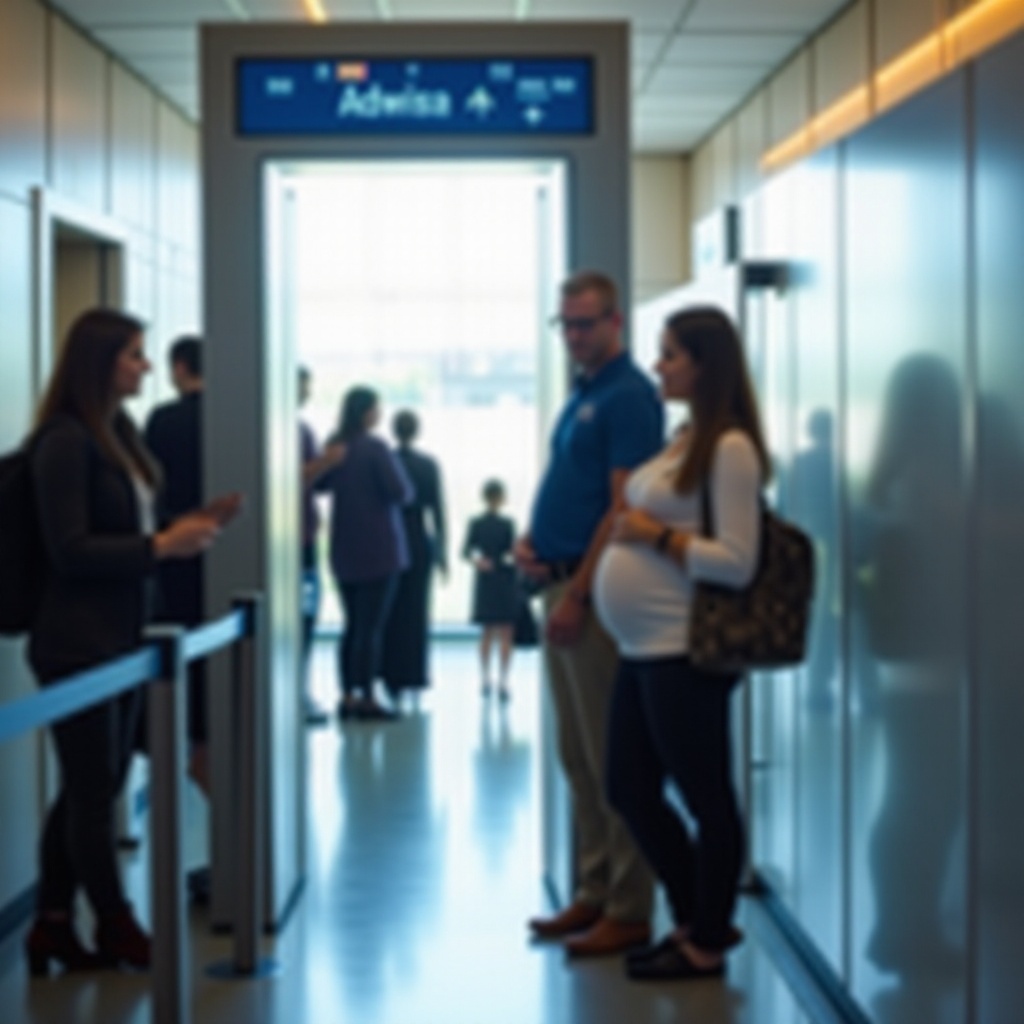
Understanding Security Scanners
Security scanners serve the purpose of ensuring the safety of travelers and maintaining security in public venues. These devices are used worldwide to detect prohibited items and threats. Typically, security scanners include X-ray scanners and millimeter-wave scanners. Both types function differently and have their own set of advantages and potential concerns.
Leading into the specifics of these scanners and their working principles is essential for a comprehensive understanding.
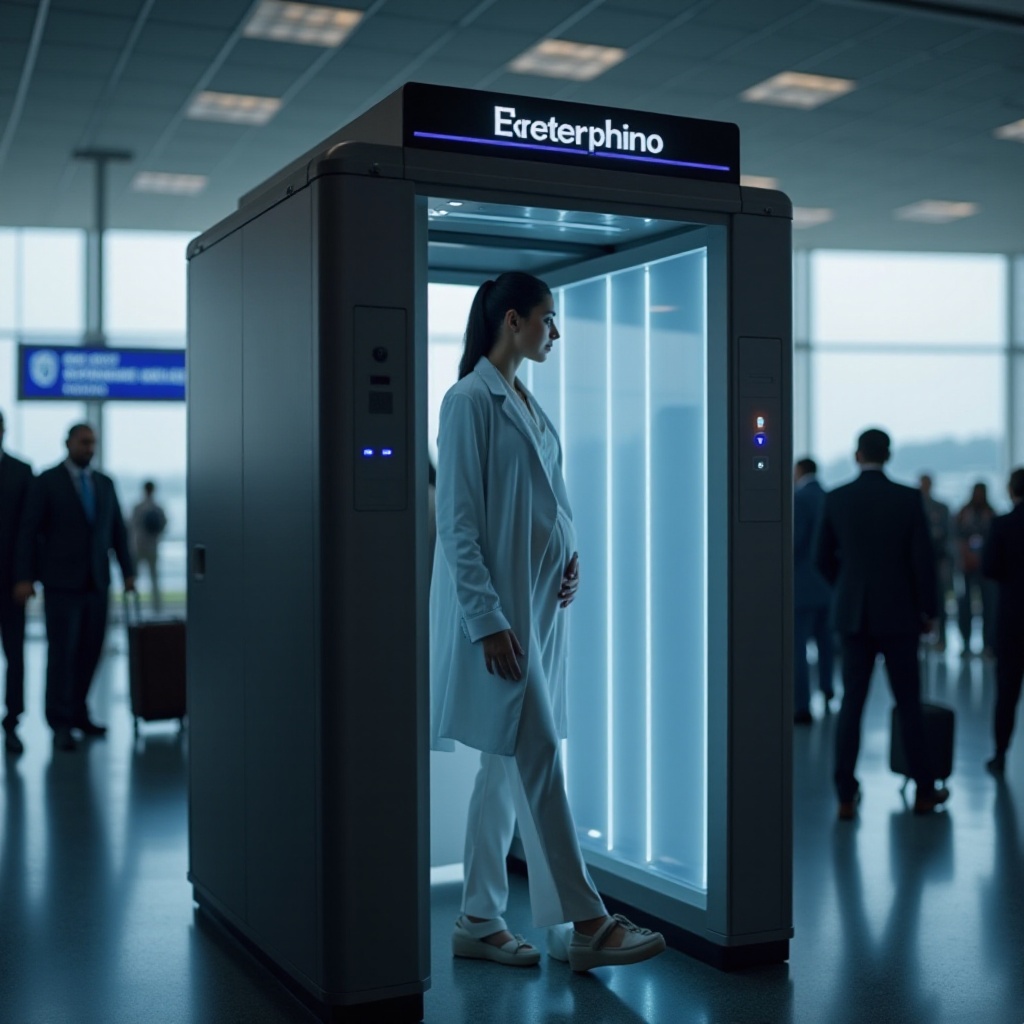
Types of Security Scanners
X-Ray Scanners
X-ray scanners are commonly used in airport security to screen luggage and sometimes passengers. They rely on X-ray radiation to produce images of the contents inside a bag or on a person, highlighting any potential threats such as weapons or explosives.
Millimeter-Wave Scanners
Millimeter-wave scanners use non-ionizing radiofrequency waves to create a 3D image of a person’s body. Unlike X-ray scanners, these do not use ionizing radiation and are often seen as a safer alternative for screening passengers.
How Security Scanners Work
Understanding the operational mechanisms of these scanners can provide better insight into safety concerns.
X-Ray Scanner Technology
X-ray scanners emit a small amount of ionizing radiation, which penetrates objects to capture an image of their internal structure. This technology is effective in detecting both metallic and non-metallic items. However, there are concerns about repeated exposure to ionizing radiation, which is why understanding its impact during pregnancy is crucial.
Millimeter-Wave Scanner Technology
Millimeter-wave scanners use radio waves to generate images of the body. These waves pass through clothing but not the body, allowing the detection of items concealed under clothes. Given their non-ionizing nature, millimeter-wave scanners are considered less harmful compared to X-ray scanners.
Safety Concerns for Pregnant Women
As we delve into the safety aspects, it’s vital to distinguish between the two types of scanners comprehensively.
Radiation Exposure from X-Ray Scanners
The primary concern regarding X-ray scanners is their use of ionizing radiation, albeit at low levels. Prolonged or repeated exposure to ionizing radiation can pose health risks, potentially affecting both the developing fetus and the pregnant mother. While the exposure from a single scan is minimal, there is minimal and mixed evidence on the effects of cumulative exposure.
Safety of Millimeter-Wave Scanners
Millimeter-wave scanners, by contrast, use non-ionizing radiation, which is generally considered safe. Numerous health organizations and studies have shown no significant risk associated with their use on pregnant women. The limited evidence suggests that, unlike ionizing radiation, non-ionizing waves do not pose the same level of concern for fetal health.
Scientific Evidence and Research
Gathering credible information from research studies helps in making an informed decision about the safety of these devices.
Studies on X-Ray Scanner Safety
Several studies have evaluated the safety of X-ray scanners. Research indicates that the low doses of radiation used are not harmful with infrequent exposure. However, concerns remain regarding repeated exposure. The American College of Radiology states that the dose from a security X-ray scan is far below the level that might cause harm to a developing fetus.
Research on Millimeter-Wave Scanners
Research on millimeter-wave scanners has been more reassuring. Studies conducted by health authorities show no adverse effects of these scanners on pregnant women. The Transportation Security Administration (TSA) and the Food and Drug Administration (FDA) endorse the safety of millimeter-wave scanners for all passengers, including pregnant women.
Expert Opinions and Health Guidelines
Synthesizing expertise and guidelines helps in better understanding the practical implications of scanner use during pregnancy.
Health Organization Guidelines
Health organizations like the World Health Organization (WHO) and the Centers for Disease Control and Prevention (CDC) have assessed the safety of both types of scanners. They generally conclude that the radiation levels are safe for pregnant women, particularly with millimeter-wave technology.
Expert Recommendations
Experts recommend that pregnant travelers be mindful of their exposure to X-ray scanners, advising minimal use. Alternative screening options can be requested to avoid repeated exposure. For millimeter-wave scanners, experts are more lenient, suggesting no significant risks should deter their use during pregnancy.

Practical Tips for Pregnant Travelers
- Know Your Options: Familiarize yourself with the types of security scanners at airports.
- Opt for Millimeter-Wave Scanners: If given a choice, choose millimeter-wave over X-ray scanners.
- Request Alternatives: If uncomfortable with any scanner, ask for a physical pat-down.
- Inform Security Staff: Always inform security personnel that you are pregnant to receive the necessary accommodations.
- Stay Informed: Keep updated with the latest guidelines from health organizations regarding the safety of security scanners.
Alternative Screening Options
Knowing about alternative screening options can provide peace of mind to expectant mothers.
Opt-Out Procedures
Pregnant travelers have the right to opt-out of security scanning procedures. Inform the security personnel of your preference for an alternative screening method, such as a physical pat-down, which can be done without exposure to any radiation.
Physical Pat-Downs
A physical pat-down is a tactile inspection carried out by a security officer. While it may take more time and might be invasive for some, it is a viable alternative that eliminates any concerns about radiation exposure from scanners.
Conclusion
In summary, while X-ray scanners do present some concerns due to ionizing radiation, the risk from occasional exposure is minimal. Millimeter-wave scanners, on the other hand, are generally considered safe for pregnant women. Understanding the technology, potential risks, and available alternatives allows pregnant travelers to make informed decisions. Always consult with healthcare professionals for personalized advice.
Frequently Asked Questions
Are alternative screening methods safer for pregnant women?
Yes, primary alternative screening methods such as physical pat-downs eliminate any exposure to radiation, making them a safer choice for those concerned about the potential risks of scanner radiation during pregnancy.
How can I communicate my concerns at the airport?
Notify the security personnel directly about your pregnancy and request alternative screening methods. Airport staff are generally well trained to assist and accommodate special needs.
What if I prefer not to go through a security scanner?
If you prefer to avoid security scanners altogether, you can request a physical pat-down. Inform the security personnel of your preference for this alternative screening method.